Send us your feedback
Here you can send us feedback on the Maxess-website. Please describe the problem or what’s missing in a clear way, and on what page you found the issue. Thank you so much for your help!
SunCarbon: Turning lignin into renewable fuel
Researchers used advanced X-ray techniques at MAX IV to study catalysts developed for turning lignin into renewable fuel. The work provided new insights into how these materials are built and how they change during use, helping support the development of more efficient biofuel production.
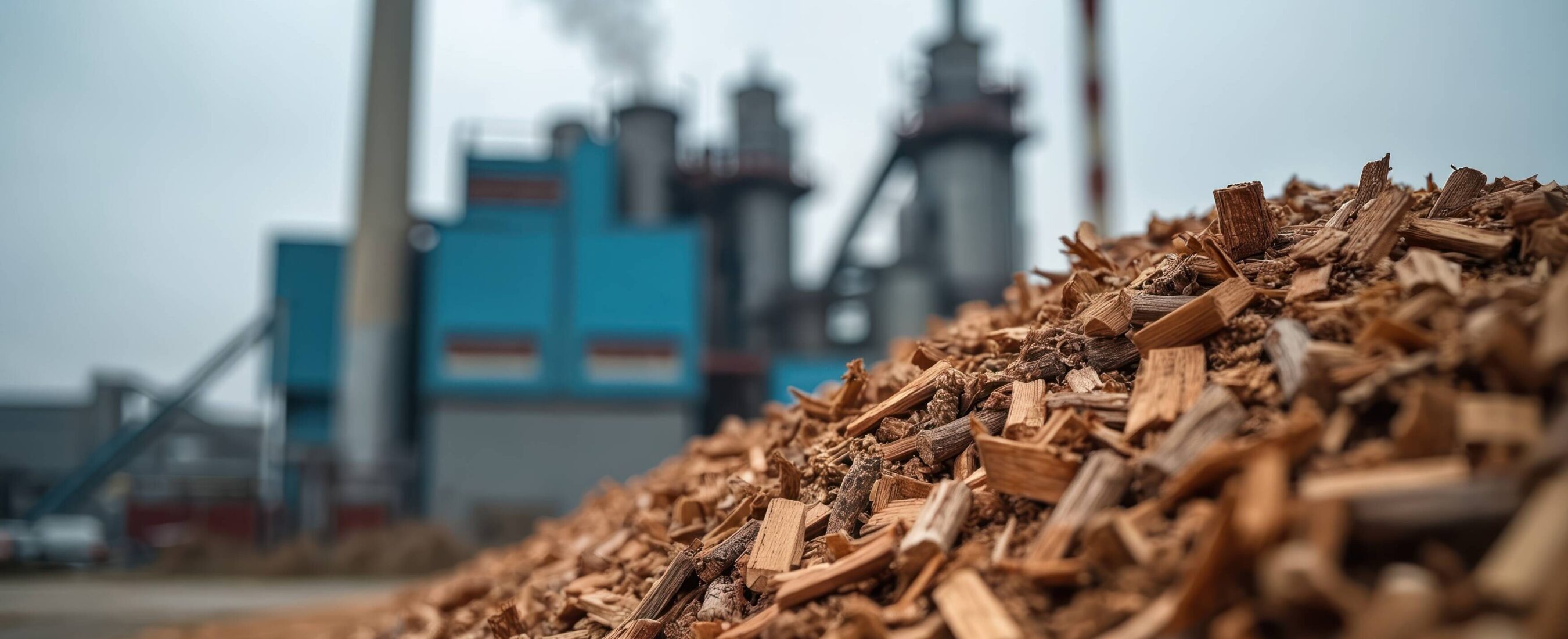
Lignin is a natural component of wood and is produced in large amounts as a by-product of the pulp and paper industry. Instead of being treated as waste, lignin could become a valuable raw material for producing renewable fuels and chemicals.
One important step in this process is the use of catalysts, materials that speed up chemical reactions without being consumed. SunCarbon has developed a catalyst containing nickel and molybdenum that helps convert lignin into fuel products. To improve this process further, researchers need a better understanding of how the catalyst works at the atomic level.
While these types of catalysts are already used in industry, there is still much to learn about how their structure changes during operation and how those changes affect performance.
Turning Research into Industrial Value
The project brought together expertise from SunCarbon, RISE Research Institutes of Sweden, and Lund University (LU). Through the BEAMS for Industry programme, the team gained access to the BALDER beamline at MAX IV, a facility that allows researchers to study materials in exceptional detail.
The researchers examined both industrial catalyst samples and specially designed model materials that can be used for future experiments.
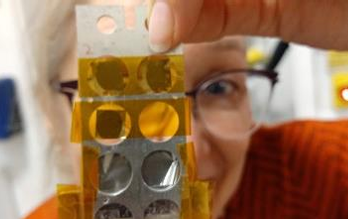
A variety of NiMo based catalysts were tested with XAS at the Balder beamline at MAX IV.
A new way to look inside materials
The main technique used was X-ray absorption spectroscopy (XAS). In simple terms, the method uses X-rays to reveal how atoms are arranged and how they interact with one another.
The team focused on a type of XAS called XANES, which is particularly useful for identifying the chemical state of a material. Additional methods, including electron microscopy and other X-ray techniques, were used to build a fuller picture of the catalysts.
From findings to future products
The study successfully revealed important details about both the industrial catalysts and the model materials. Researchers could see how different compositions of nickel and molybdenum affected the material structure.
The team also carried out experiments while heating the samples and exposing them to hydrogen and oxygen. This made it possible to observe how the catalysts changed in real time under conditions similar to those used in industrial processes.
The results provide valuable knowledge for improving catalysts used in biofuel production. They also demonstrate how advanced X-ray facilities such as MAX IV can help researchers and companies better understand complex materials. The same approach could be applied to many other technologies that rely on catalysts, including chemical manufacturing, energy production, and environmental applications.
This project was funded by Vinnova, Sweden’s Innovation Agency.
Contact Partners
Case Details
SunCarbon
BalderRISE offer within large scale research infrastructures